THE OTHER SIDE
Many people discover a love of nature as children, but I came to the natural world only in my late teens, and my sense of living in a storied and beautiful reality that is constantly under threat developed extremely gradually. Crucially, I first became aware of the wonder of Earth by entering other worlds, such as those depicted in online roleplaying games and works of fantasy literature. From these early experiences, a fascination with the symbolism and dynamics inherent in openings and contrasts emerged. More specifically, I have been consistently drawn to the idea of exposure to things beyond the given, helping us move towards a better understanding of our place on Earth. Indeed, everything I care about can be associated with or linked to the evocative phrase the other side1, which has varied usages and meanings depending on context, though all are Earth-centred. Primarily, the other side serves as my name for (and way of describing) the more-than-human world, which we rarely come into contact with and from which we are often closed off by the machinery of modernity.
On this page, you will find writing that engages with: the ontology of presence, primarily in the thought of Byung-Chul Han (‘the wound’) and Patrick Curry (wonder)2; meditations on structural and perceptual thresholds as facilitators of difference, such as doors, windows, gates, mountain cols, the liminal time of twilight and the frames of paintings; the built environment as an intensifier of anthropocentrism and the notion of the city as an apparatus of enclosure; the significance of ecological crossings to heal fragmented landscapes and help our nonhuman kin ‘get to the other side’; in architecture and design, creating beautiful and textured works to serve as openings in a field of sleek sterility; the power of art to connect us with the world and the need to challenge practices that inadvertently disrupt this awareness, such as misguided forms of eco-activism; valuing darkness and quietude as contrasting qualities in a bright and cacophonous modern society; cultivating empathy for othered creatures by seeing things from their perspective; and, last but not least, learning to accept death—’the other side’—as an opening and continuation of life, rather than as something to be feared and transcended.
What it means to be aware of and value the other side—and to be an othersider—is breathed just as much through my fiction. If there is one thing that defines my tales, it is the feeling of longing for a better world. My stories often feature young characters isolated from their surroundings, depictions of life in nature-deprived spaces, and the importance of imagination and creation.
- I previously used the phrase towards that place and the archaic word thither to indicate movement towards solace and understanding, as well as to support the notion of walking with the Earth, but that did not quite capture my more developed attachment to openings and contrasts. ↩︎
- My work covers a broad range of topics and concerns, though all related to reconnecting with nature and heritage. However, I have become increasingly aware of and interested by any concept, image or dynamic that points towards a break in the normal functioning of self-centred society, letting in the world again (e.g., ‘the wound’, wonder, ‘geophany’, ‘punctum’, etc.) More specifically, I am increasingly researching presence, since the initial experience and then deepening awareness of the other side is what most captivates me most, though until relatively recently I did not have the precise vocabulary to do the subject justice. Most of my writing is, in one way or another, about presence, but I hope to make this focus more explicit in the future. ↩︎
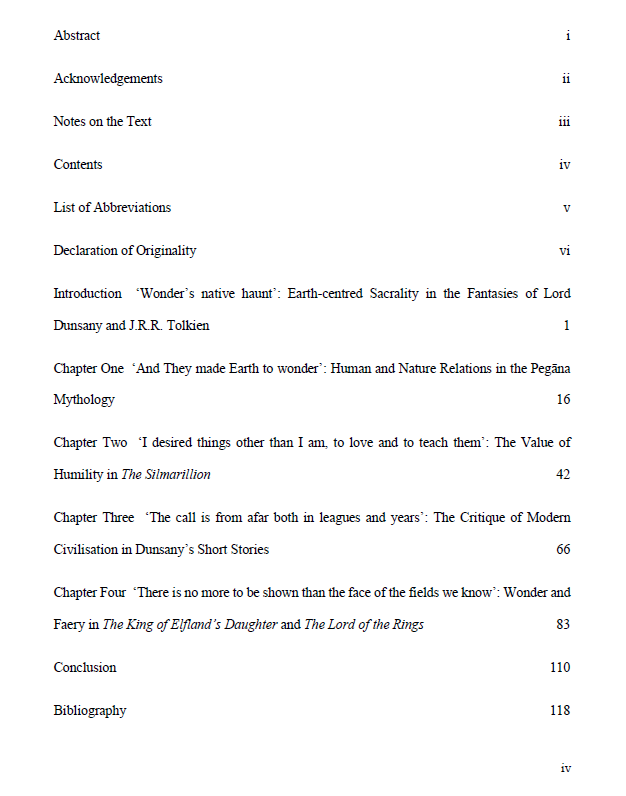
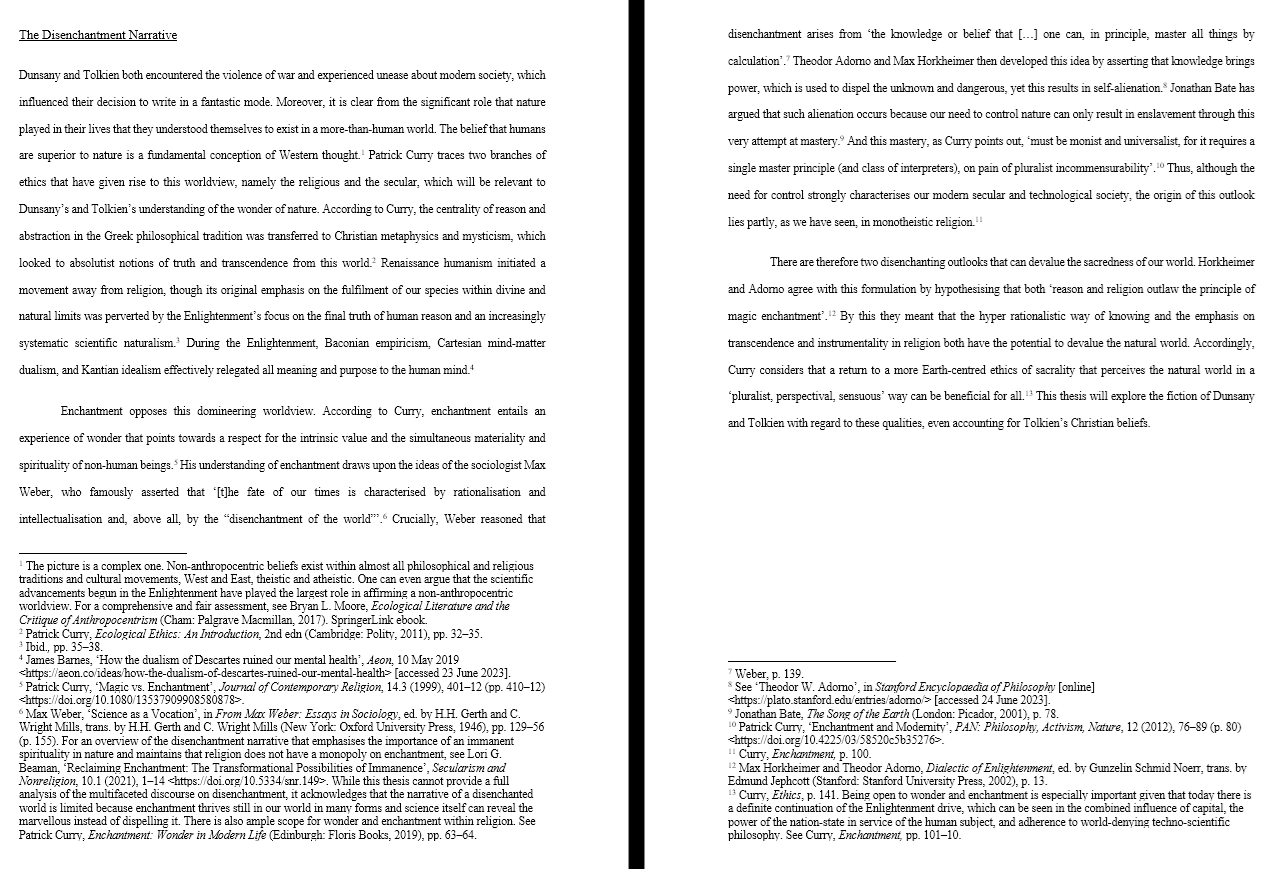
MA RES: ‘Wonder’s native haunt’: Earth-centred Sacrality in the Fantasies of Lord Dunsany and J.R.R. Tolkien (33,000 words) (2023)*
Davis / Drew Prize for Special Achievement in a Postgraduate Thesis in English Literature
The fantasies of Lord Dunsany and J.R.R. Tolkien share a concern for nature in the twentieth century due to industrialisation and the devastation of war, yet Tolkien’s popularity has resulted in many more studies on his appreciation of the natural world. However, both authors can be drawn together by situating their fantasies within the discourse surrounding wonder and disenchantment. This thesis follows thinkers such as Max Weber and Patrick Curry in arguing that the doctrine of mastery at the core of certain religious worldviews and secular notions of progress devalues our sense of Earth-centred sacrality. Against the disenchanting desire to control and manipulate, Dunsany and Tolkien advocated for the acceptance of human limitations and the adoption of a pluralistic regard for other beings. To reveal this, the study engages with the philosophy and ethics of wonder, as well as literary frameworks such as Don Elgin’s comic ecological perspective and Tolkien’s defence of fantasy in ‘On Fairy-Stories’. Analysis of Dunsany’s Pegāna mythology and Tolkien’s The Silmarillion shows that both narratives serve as mythic expositions for the diminishment of Earth and are bound by their promotion of humility in human-nature relations. The study then turns to Dunsany’s fantasy-reality short stories, which make use of Romantic tropes and non-anthropocentric conceptions to critique modern society. The discussion of Dunsany’s The King of Elfland’s Daughter and Tolkien’s The Lord of the Rings strengthens the ties between both novels by addressing the significance of faery as a means of recovering wonder and exploring attitudes towards nature. Ultimately, this thesis contends that Dunsany’s commitment to affirming our place on Earth has not been fully grasped by researchers. Moreover, it argues that Dunsany often surpassed Tolkien in the understanding of Earth-centred sacredness by better aligning his fiction with the values inherent in a stance of wonderment.
Keywords: Lord Dunsany, J.R.R. Tolkien, nature, wonder, disenchantment, ecological ethics, anthropocentrism, religion, modernity
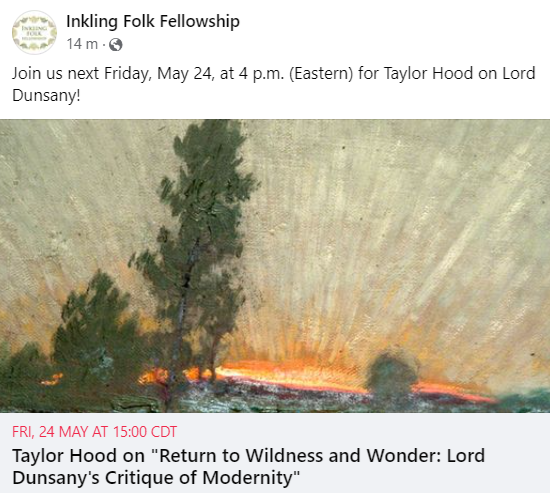
‘Return to Wildness and Wonder: Lord Dunsany’s Critique of Modernity’ – The Inkling Folk Fellowship (24th May, 2024)
* I also produced an intermediate essay prior to my thesis entitled ‘Window into Worldliness: Lord Dunsany and the Artful Integration of Fantasy’
Published Work
Opening the City: Reorienting the built environment towards exposure, vulnerability and presence – The Ecological Citizen Vol 9 No 2 + EDITORIAL (late summer 2026)
This article examines how the contemporary built environment diminishes the possibility of presence by minimising exposure and vulnerability. By drawing on and melding the work of Byung-Chul Han and Patrick Curry, the paper’s first part offers an interpretative account of how cities are constructed to enclose the human figure in a world that is increasingly separate from the more-than-human realm. The second section clarifies how urban change itself is to be understood once enclosure is recognised as an imperative of the built environment. It argues that many well-intentioned efforts to improve cities ecologically can produce real alterations while leaving intact the deeper organisation through which everyday experience is structured. Rather than proposing policy measures or design solutions, the paper offers a way of reading urban change that attends to the distinction between effects that human-centred cities can absorb and conditions that would have to endure as an ordinary part of their texture.
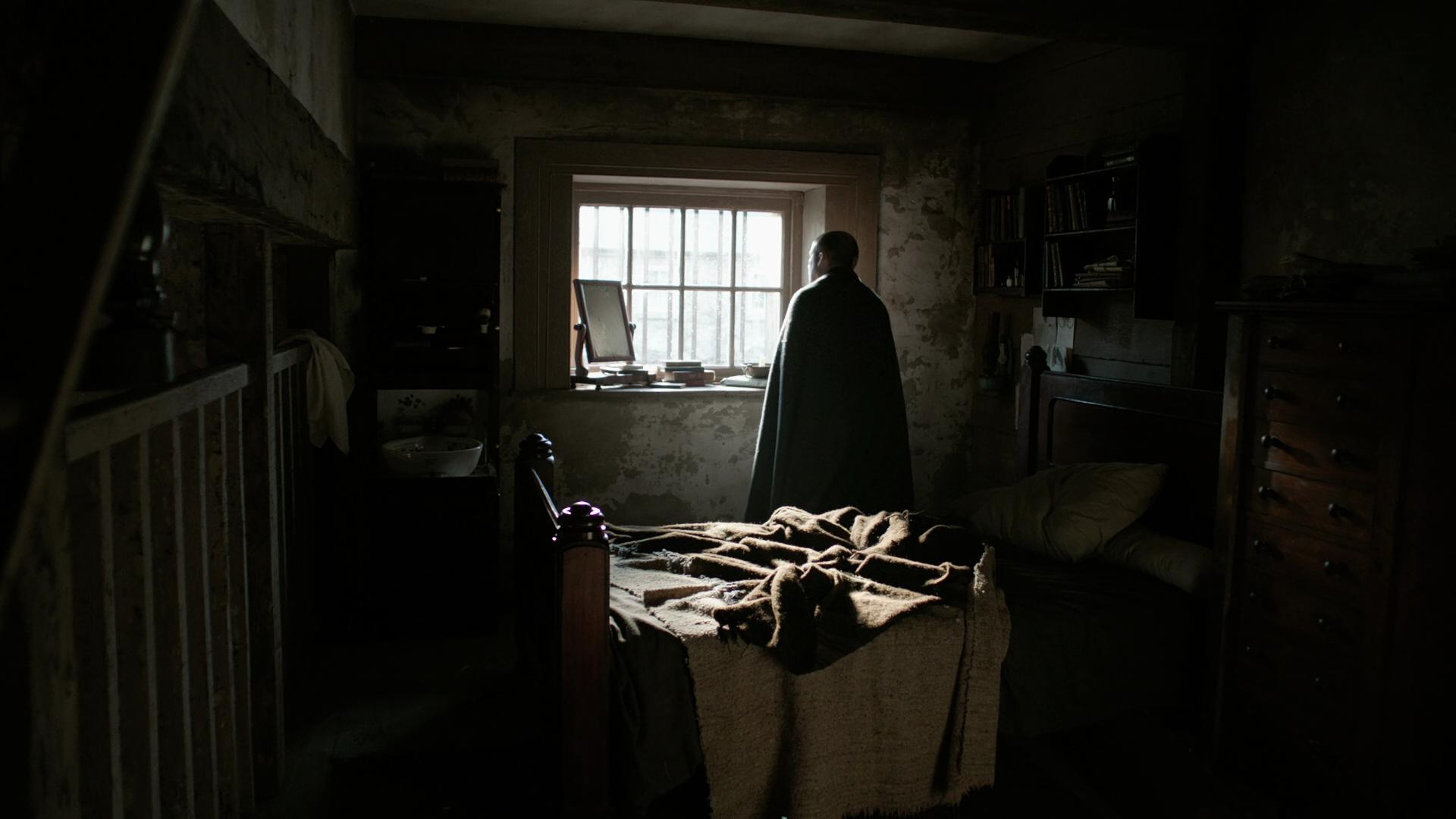
The Opening – The Ecological Citizen Vol 9 No 1 + Audio-visual Narration
A flash fiction piece about a hermit in a hermetically sealed city. This story was written for Feral Lines, a collection I co-edited with Joe Gray
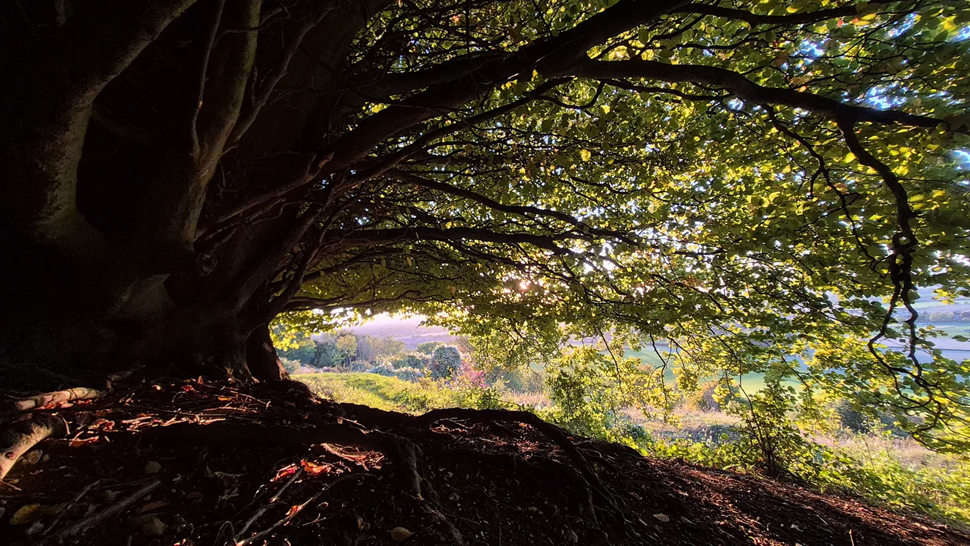
A personal account relating to work struggles in conservation/nature communications.
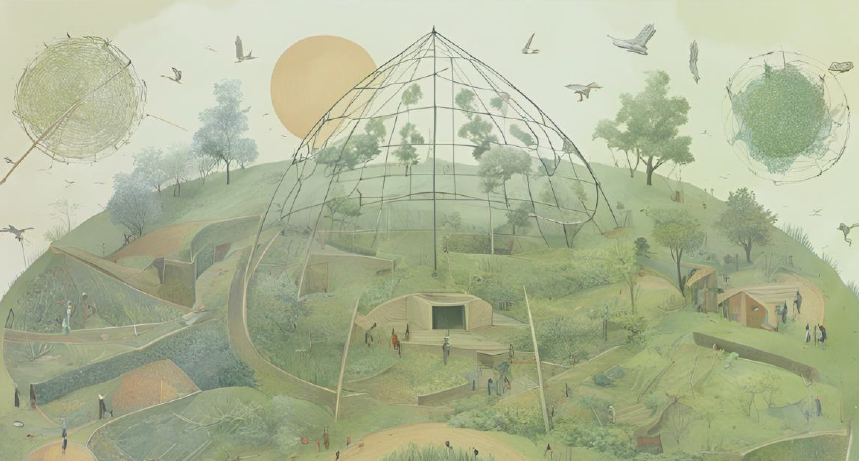
Through the Wound, the World + Official festival programme
Note…
This is a paper I presented at the International Ecoliteracy Research Festival (Himmelbjerggården, 14th August 2025). I came to the Festival as an independent scholar, although I’d previously instigated connections between the Festival organiser (CUHRE) and The Ecological Citizen. I also have little to no background in the field of education, which was the primary area of study for most participants. However, my work is relevant in that it extols presence and vulnerability, resistance and enrichment, which together create the ground for all ecoliteracy.
At its core, my paper, structured as a walk from the city towards a place of solace and understanding, argues that modernity closes us off from what I call ‘the other side’ — the textured, storied, living world. I employ Byung-Chul Han’s metaphor of the wound, alongside Patrick Curry’s thoughts on the relational dynamics of wonder, to explore areas such as capital and communication, art and activism, working in and for the land, the necessity of contemplation, respecting mystery, and accepting death. What I’ve tried to do is blend the ideas of my two primary authors together. I bring in Han’s concepts of ‘smoothness’ and ‘transparency’ to complement Curry’s ideas about wonder/glamour, thereby softening the former’s more diagnostic and (at times) fatalistic approach.
Ultimately, I wanted the paper to provide a structure that links the wound with wonder and to expand on how experiences of opening can lead to meaningful action in life. Himmelbjerggården was a unique place to explore and feel out some of my ideas concerning the wound and the experience of wonder, adding what I could with my own insights and life experiences. That said, in the context of the Festival, some of the subject areas and finer theoretical points that I discuss are less relevant to the aims of the gathering, which became particularly apparent throughout the first day. Secondly, many offerings were far looser and more playful, whereas my presentation was wholly theoretical and rather complex for the circumstances. In hindsight, I might’ve focused on just one or two subjects rather than trying to encompass a multitude of issues with modernity into a single journey. I suppose it’s all part of the learning process. Ultimately, I’m glad I presented this paper and put a lot of effort into it.
A talk delivered at the International Ecoliteracy Research Festival in Denmark (14th August) (major paper)
ABSTRACT
Governed by a regime characterised by efficiency, performance and control, modern life often severs our connection to the Earth. This talk proposes a grammar of reconnection shaped by two key forces: wounds and wonder. Adapting the ideas of Byung-Chul Han, it considers the wound not as an injury, but as a generative rupture in the sealed self and the smooth systems of modernity — one that allows the presence of the world to enter from the other side of seeming closure. Depending on how we respond to the opening, we may experience wonder, for which wounds prepare the ground. As Patrick Curry insists, wonder is an ethical stance founded on a willingness to be affected by the other, and it emerges from a meeting across differences. It therefore marks not spectacle but relation, not distraction but attentiveness. This presentation, imagined as a walk towards a place of solace and understanding, explores wounds and wonder — or their absence — in diverse contexts. These include alienation in urban centres; commodification and detachment in art and literature; performative acts at cultural sites; working for land and heritage in an age of speed and the erosion of tradition; the instrumental treatment of nature; contemplation at twilight as a counter to endless action; and the denial of death as a continuous cycle. These terrains reveal obstructions that prevent connection, but there is always hope. Ultimately, Through the Wound, the World quietly encourages us to cultivate a perception of the world that honours difference, irreducibility and mystery. It calls us, once awakened, to engage with the Earth in a grounded and negotiatory manner, fostering a renewed sense of care.
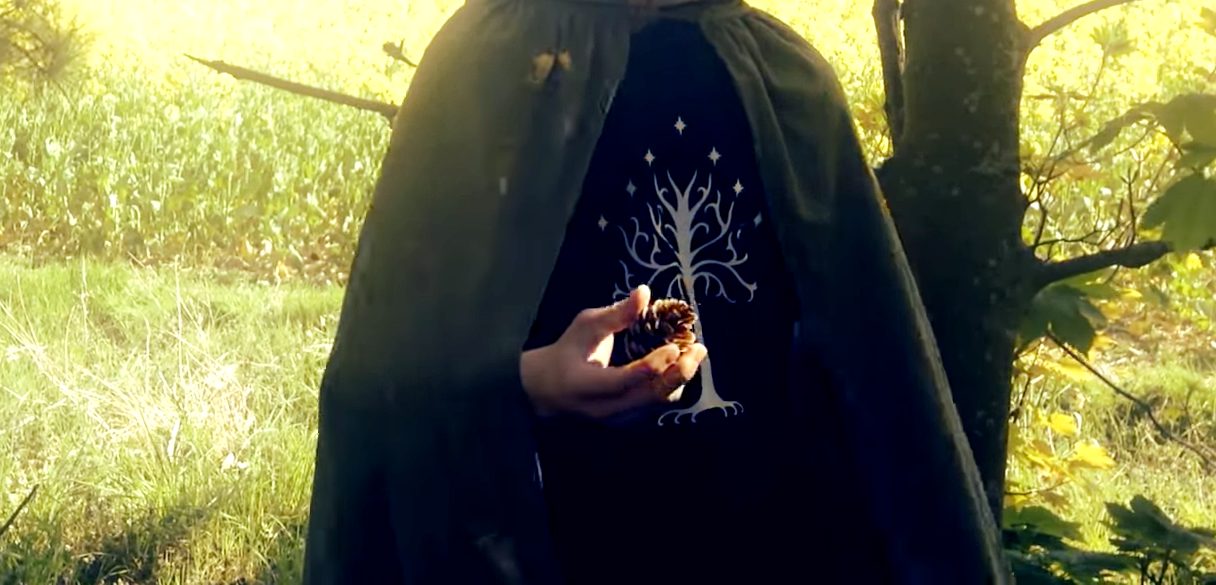
Inside a Song – Earth Tongues #3
For Earth Day 2025, I wrote about the importance of speaking and singing in nature to honour the Earth, as well as my experiences reciting the songs and poems of JRR Tolkien.
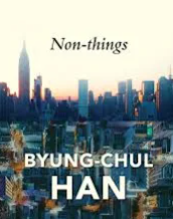
The things that tether us to Earth: A review of Byung-Chul Han’s Non-things – The Ecological Citizen Vol 8 No 2
Byung-Chul Han’s Non-things challenges the digital infosphere for disembodying existence and eroding creativity, narrative continuity, and relationality. Drawing on Heidegger, Han warns against severing ties to tangible things that give life meaning. He urges reclaiming physical participation on Earth, while respecting the separateness and wildness of things. Non-things tells us that to go through life tethered to things and grounded by the history and memory that they establish is to walk with the Earth rather than trampling over or seeking to transcend it altogether.
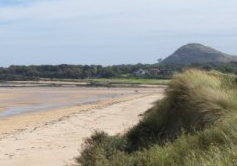
Dreams Made of Sand – The Ecological Citizen Vol 8 No 1
A naturalist takes his son to the beach on a day unlike any other. This story was partly inspired by Cormac McCarthy’s ‘The Road’, the film ‘Melancholia’ (2011), the poetry of Norman MacCaig, S.T. Coleridge’s ‘Fears in Solitude’, and John Clare’s ‘The Instinct of Hope’. Most importantly, it serves as a paean to Yellowcraig Beach, East Lothian.
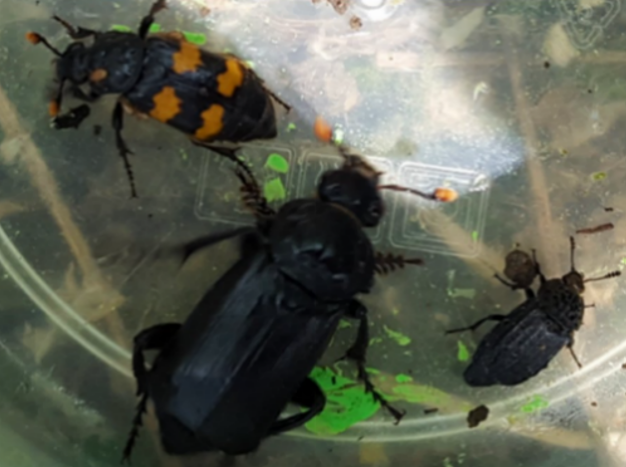
Caring for Carrion Beetles – Earth Tongues #2
A reflective essay about inspired by advocacy for compassionate entomology, critiquing the anthropocentric and harmful practices often accepted in ecology. Through personal anecdotes and philosophical insights, I emphasise the intrinsic value of nonhuman life, in particular Silphids and other overlooked insects, and call for more respectful and mindful interactions with nature.
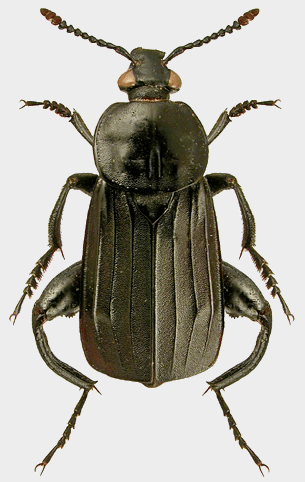
BSc Dissertation (2018/2019)
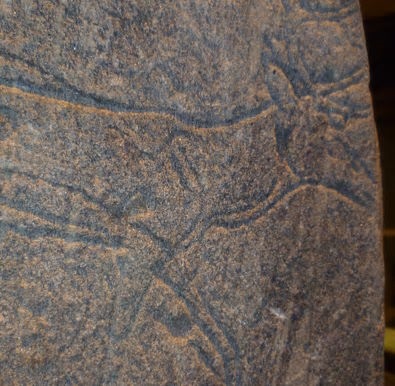
Just Save Perception – Earth Tongues
Today’s environmental activists employ destructive and therefore counterproductive methods. I argue that we need to cultivate the saving perception, which rests on the adoption of a non-reactionary sense of conservative gratitude for art and heritage more broadly.
Defiance in Half-light – Elsewhere journal
This essay centres around contemplation of the twilight and the more-than-human world in microcosm at Chinnor Hill Nature Reserve. It promotes stillness in these days of perpetual revolution, growing political division and mounting fears of global conflict.
Contributions to the ‘What Is?’ series (The Ecological Citizen)
Wonder
A post-secular and Earth-centred ethics of sacrality can be established by centralising wonder, adopting an animist ontology and revitalising the other in society.
The above video, part of a series, is based off Dr Patrick Curry’s six-week course ‘Wonder and Enchantment’ (hosted by The Centre for Myth, Cosmology and the Sacred) (7th Feb – 13th Mar).
Environmental Stewardship
A definition of stewardship and its follies as a paternalistic and managerialist approach to conservation and ecological ethics.
Habitat Fragmentation
A short explanation of habitat fragmentation grounded in ecological principles.
Wilderness
An exploration of the complexities of wilderness.
The Gate – Reliquiae Vol 10 No 2 + LISTEN HERE + Preview
This poetic (CNF) essay concerns the power of thresholds in myth, ritual, literature and fine art. The essay also serves as a meditation on an important personal symbol.
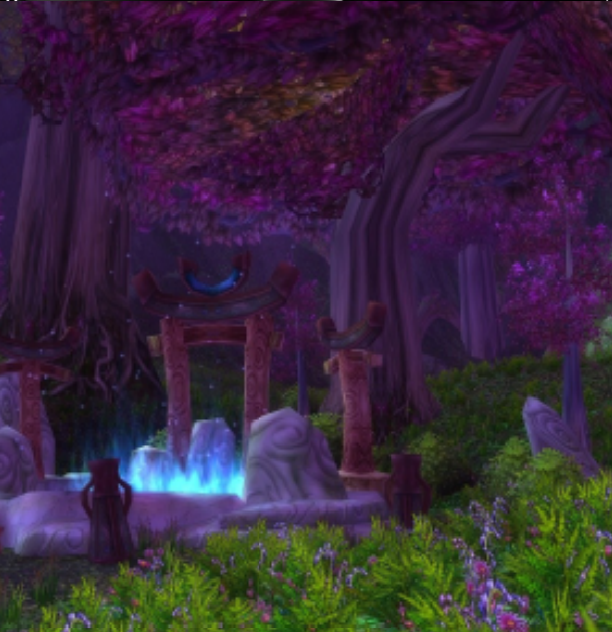
Developing an ecocentric mindset through exploration and role-play within online virtual worlds – The Ecological Citizen
This paper is a creative reflection on how engaging with virtual worlds instilled in me an appreciation of nature and heritage. I focus primarily on my experience inhabiting Azeroth (World of Warcraft).
You can’t fly to space in a Corinthian column – Sci Phi Journal
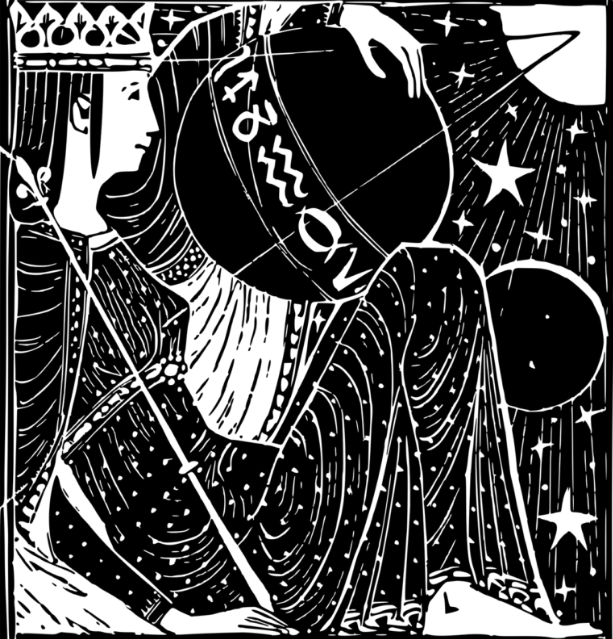
This article is an argument for the retention of natural and cultural motifs in architecture as a means of honouring our storied world, the beauty of which continues to be eroded by unimaginative visions in which the future is synonymous with ugliness and sterility.

This personal essay details my transition from atheism towards a better understanding of and respect for religion. Though emphasis is placed on my changing perception of Christianity, this is not a conversion story. Instead, the essay dwells on death, nature, myth, and creativity.

The Bookworm – The Dark Sire + Preview
A story-starved boy craving freedom is forced to read from a holy text.

Turniphead – Cosmic Horror Monthly + Issue 17
A disfigured young man faces the wrath of Allborough.
SARTURUS
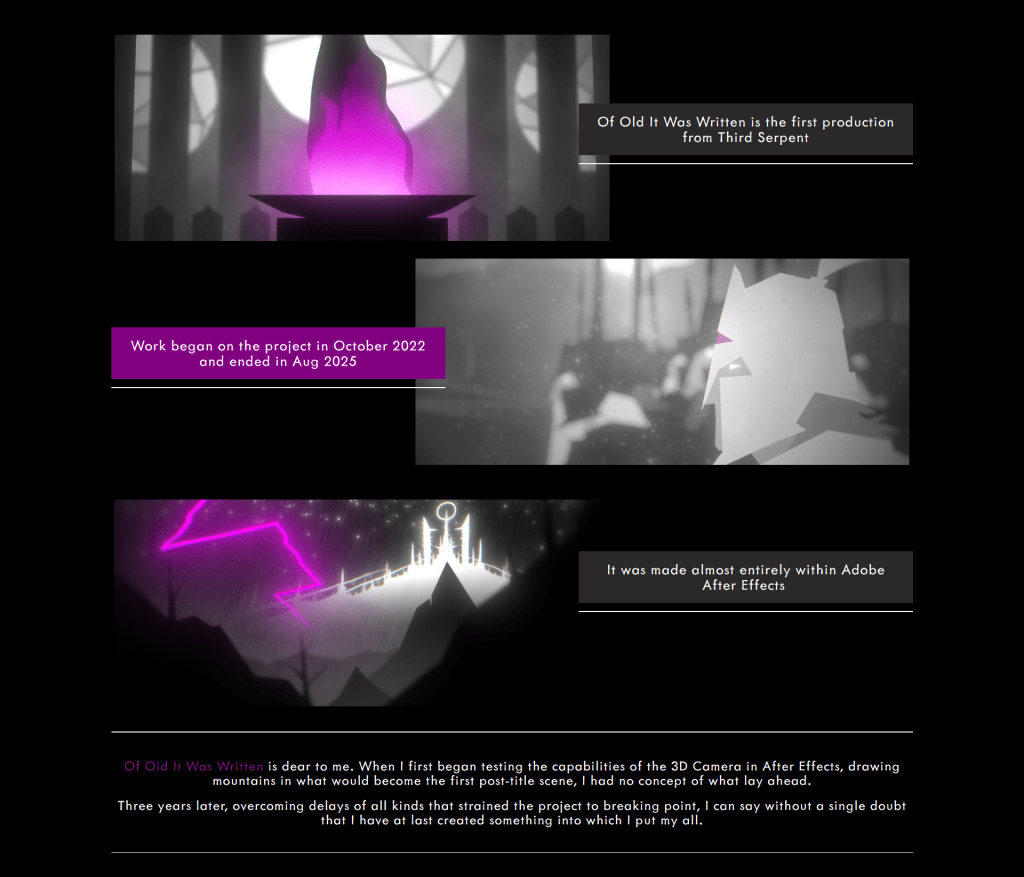
Sarturus is a co-created myth-world that developed between the years 2014-2016, although it has roots in childhood imagination. It accounts for about 500 pages of prose in various forms, and many diagrams and charts have also been created. My twin, a video editor, illustrator and motion graphic designer, has produced professional audio dramas (voice acted by an international team) as well as maps for Sarturus. His most recent project, which he put three years of work into, is the animated production Of Old It Was Written (2025).
While Sarturus is a world of our own devising, we’ve drawn inspiration from such sources as Tolkien’s The Silmarillion, the history and material culture of the Celts and the Byzantine Empire, and the films Kingdom of Heaven and Princess Mononoke.
Unpublished Work
Short stories
For various reasons, I currently do not place work that has not been traditionally published on my site, though I still want this output to be visible, since my traditionally published credits represent a fraction of my total output. The following section provides examples of unpublished fiction and nonfiction. This list does not include old work, only my most recent creations.
- The Cloak of Godfrey Shaw, a professor develops a bond with a young boy over a magical cloak
- The Gate, a dark, mythopoeic and metafictional fantasy story concerning a portal into a secondary world
- Gifts of Flesh, a traveller encounters a tribe devoted to appeasing a sacred animal god
- The Twofold Jar, An old scholar’s obsession with a fantastical realm leads to relationship troubles with his partner
- Carrion Running, a flash piece about Silphid beetles, my dissertation topic
- A Once-Bright House, a story concerning the conflict between a germaphobe father and a son obsessed with a woodland across the street
- Fisherman’s Choice, another flash piece about a strange new type of bait suited to catch something other than fish
- They Shall Go No Further, a flash story about a Mesolithic hunter and the rise of modern man
- The Link, a short story inspired by The Tunnel by Ernesto Sabato
- Under an Enervating Sky, flash about the horrors of modern sculpture
- ‘C‘, a short story about a man obsessed with one particular name
- Doghood, a short story based on Diogenes and his teachings
- Together We’ll Go, Lucius and Lothar hike in nature for their birthday, only for Lothar to fall suddenly ill
- Call to Destruction, two thugs called ‘Breakers’ take the desecration of beauty to new extremes
- Exposure Therapy (Drabble #1), a Black Mirror-esque exploration of age and technology / Awareness of Faults (Drabble #2), a story inspired by the Kintsugi art form / Tabula Rasa (Drabble #3), in a world where beauty is scorned, a ‘Scraper’ must make a difficult decision / The Longing (Drabble/Microfiction #4), on a lonely night, a man feels the pull of something more.
- The Escapist, an exploration of Tolkien’s defence of escapist fiction and higher ideals
- FERINE, a flash story about a rehabilitation programme
- Aspire, Arthur! a young boy spots a beautiful tower carved with animal and plant motifs amid the drab tower blocks of his home city
Novellas
- The Inward Gate – a fantasy/magical realism story concerning the search for a lost brother
- Mote the Dweller – a cave-dwelling society which values darkness and silence is overrun by a group bringing brightness and cacophony
- Of Stifled Things – a young boy befriends a homeless man in touch with nature who laughs at the pretensions of the affluent of Brightview
- Shepherd of the Pines – on a journey to the Scottish Highlands, a man encounters a troubled hermit
Nonfiction
- To the Glen, a CNF piece about my discovery of nature, my journeys to Glen Coe, and the loss of meaningful places as a consequence of apocalypse
- Visions Through the Window, a CNF essay on trips to Creag Meagaidh with my twin and the power of the window as a symbol of connection to the more-than-human world.